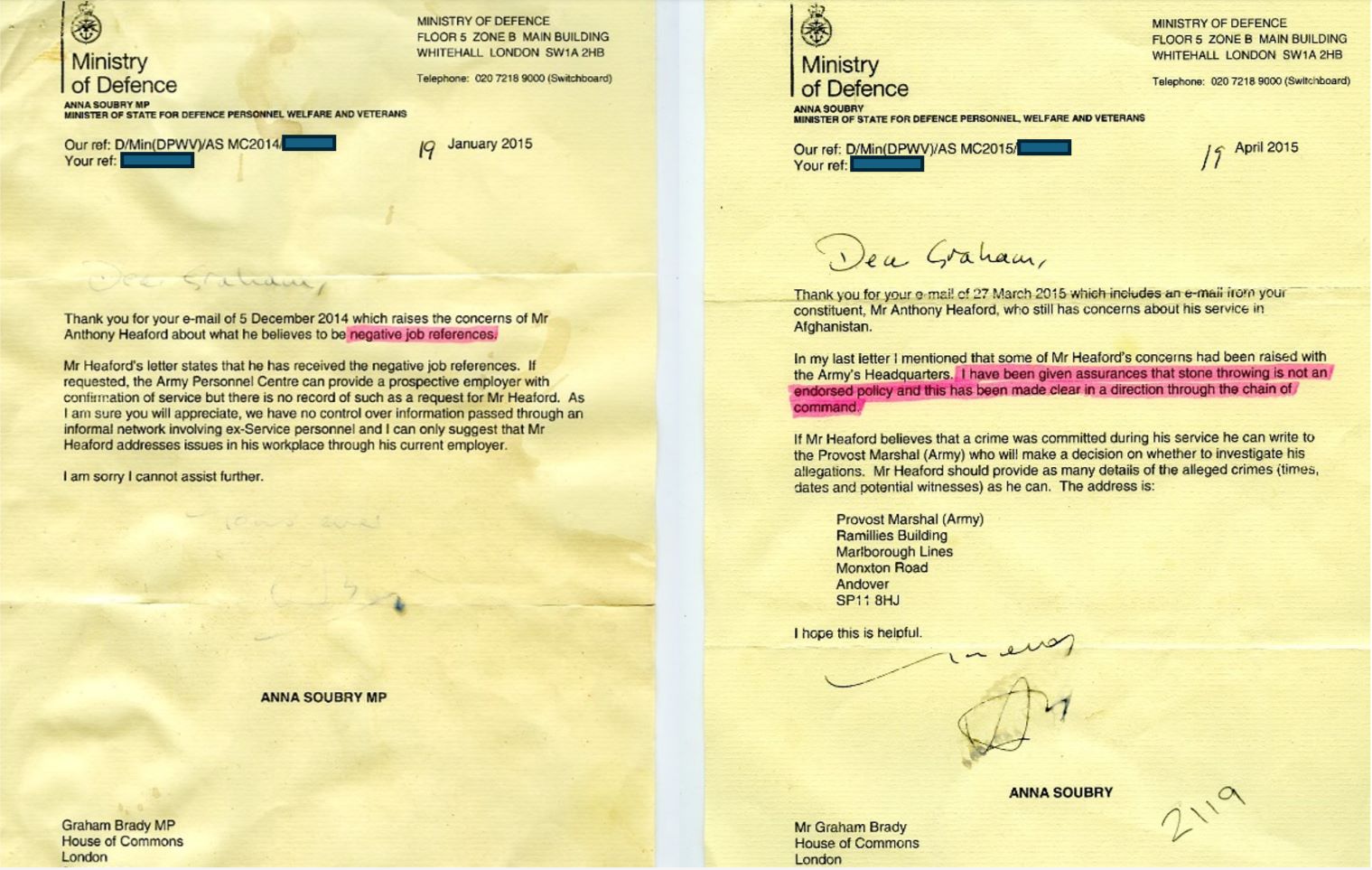
The British Deep State Tortures whistleblowers using corrupt British NHS doctors. The principle one, according to my sources and observations, is an SAS reserve medical officer. I know he went to the same school as both me and my former Commanding Officer in the army reserves (2009-13) & knows my old CO who is also a NHS GP and was a reserve SAS medical officer. All that came out in our first appoint in 2014 when he asked the strangest question as I was leaving: What school did you got to? Lancaster (Royal) Grammar I replied. He was a couple of years younger than me so we chatted about teachers and I asked if knew my old CO. It was my second appoint for stress caused by my Afghan service but made unbearable by a separate dispute with family members (I’d sided with my father in a family business director’s dispute). The GP had diagnosed a Moral Injury from Afghanistan and was very knowledgeable. And so when he suggested taking over my care - after we’d discussed several mutual school acquaintances – I accepted.
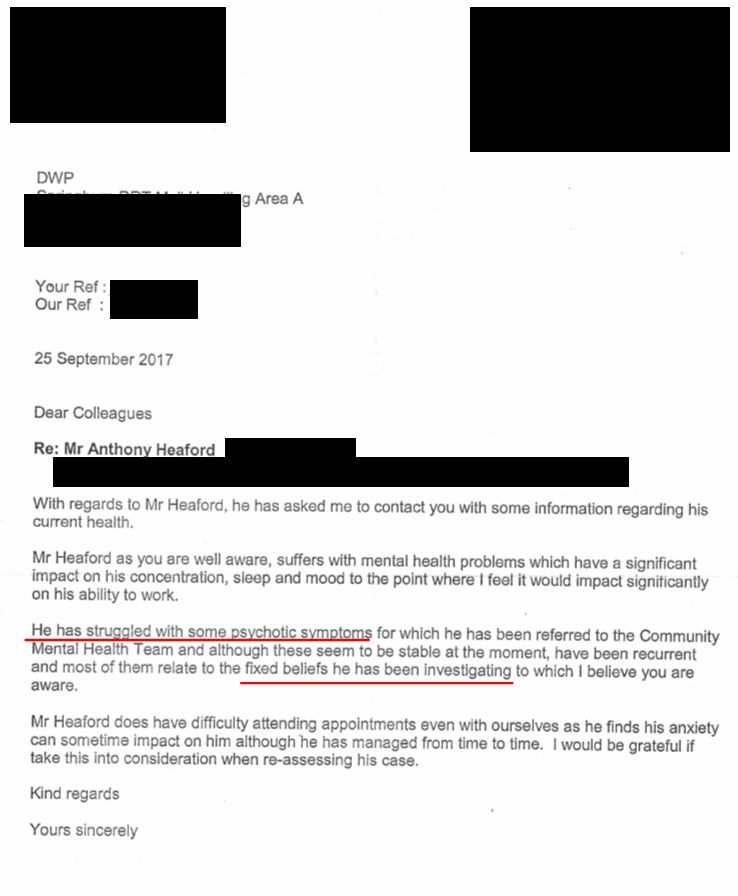
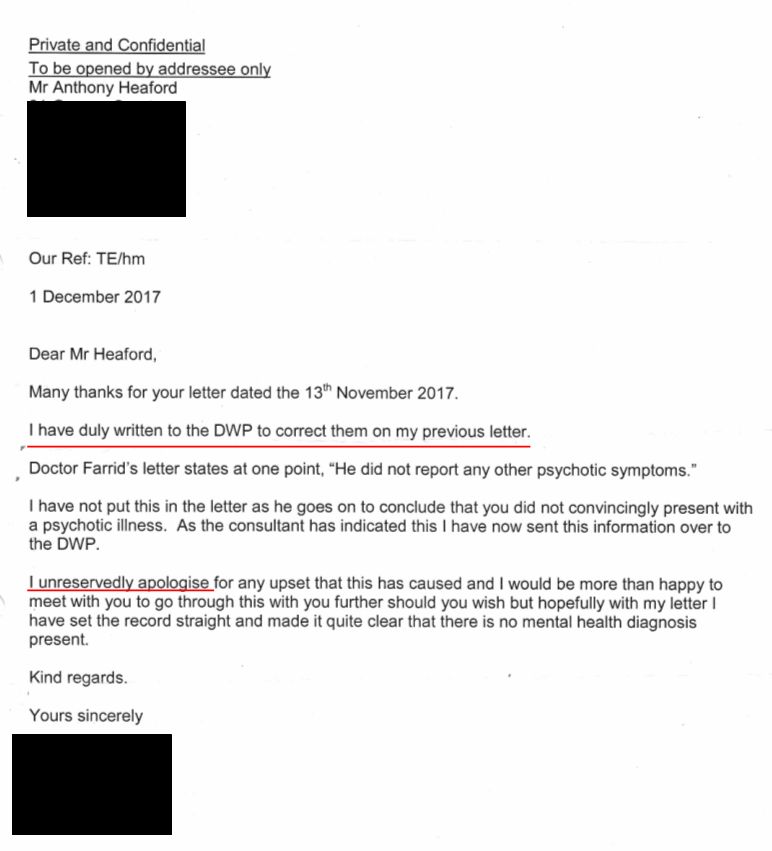
The last twelve years have been Hell. EVERY ailment I’ve taken to my doctor has been made worse. He first insisted I attend an extended mental health assessment, about ten one hour sessions over a few months. I got a clean bill of mental health from a specialist ex-military NHS professional. So my GP sent me to a second extended assessment, this time by a certified physiologist. Again I got a clean bill of health, an exact diagnosis in fact:
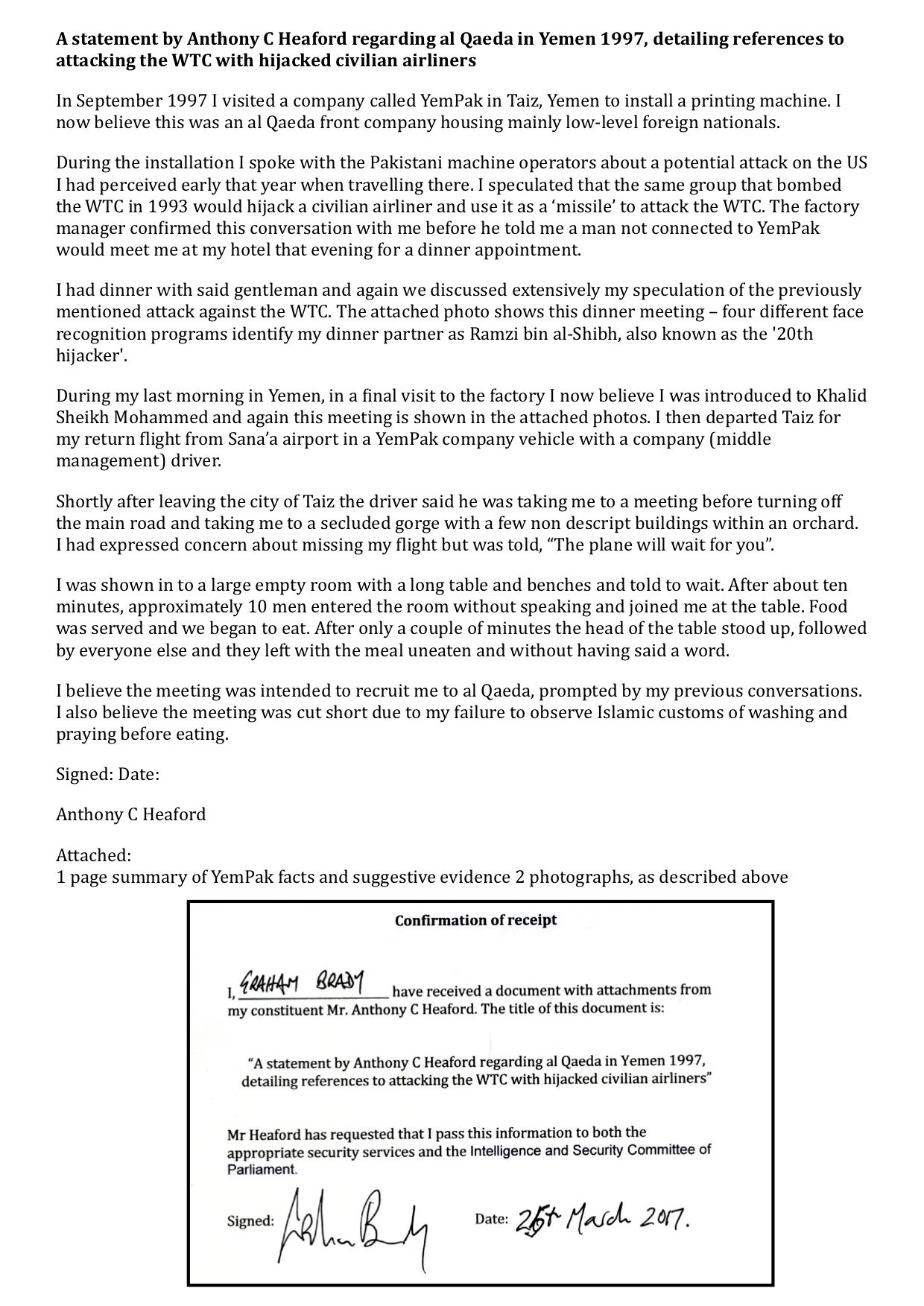
Dr Farid of the view that you do not display psychotic symptoms nor are your experiences delusional in nature. Through the assessment process, we have been able to understand that you experience significant stress. This stress relates to the complex legal matters you have taken great time to explain, that involve the Military and also issues from Yemen in the Nineties relating to the 9/11 attacks, along with difficulties you experience in your family relations.
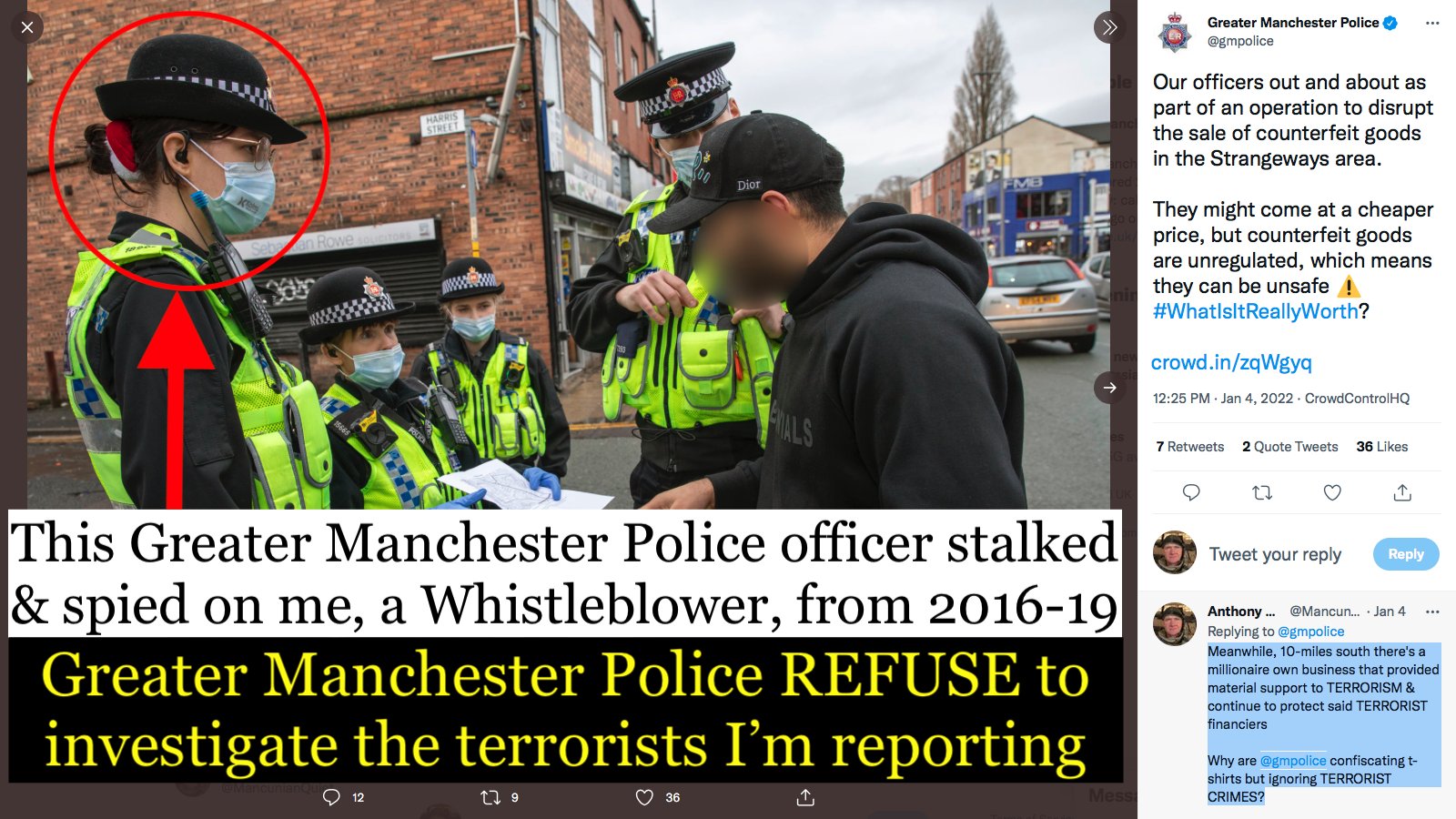
It turned out my GP had been referring me for drug induced psychosis, something neither extended assessment found. A friend of my old army Colonel - and very likely also an SAS reserve medical officer - had taken over my NHS care and was trying to have me declared medically incompetent. He failed on those occassions but has not stopped trying. I’ve been forced to attend two further mental health assessments – forced by random people calling at my home to assess me. It's harassment but much worse too, done to cover-up crimes I’ve tried to report. That included my drugging / attempted murder as a whistleblower in January 2013,four months after I’d got back from Afghanistan. He served in the army reserves so I spoke to him about what I'd seen and my intention to report it. He was my source for sleeping tablets (and other stuff) at the time and gave me a tub of tablets for free. He then repeatedly told me to take one before my motorway drive home, saying it’d be a laugh. Not taking one then saved my life. When I did take one I think I woke up a full day later and in a stupor took another and passed out again. Several family members were in my bedroom when I woke next and I was so confused (and incontinent) they took me to hospital where I assume I had a blood test but, still in a stupor I walked out a few hours later. When I told my friend what’d happened he laugh and said his estranged wife had been sectioned in a mental instituted after he’d given some to her. This friend is the son of a distinguished SAS veteran, served in Malaysia before joining the training staff at 23 SAS in Manchester (and a few bases around north England). While he was an SAS trainer (the most skilled job in the army?) my friend said his dad had a second job, cleaning cars in a second hand garage. Given their proximity to the ferry ports for Ireland I concluded that was a surreptitious reference to forensically cleaning cars use in the SAS’s Dirty War in Ireland. My friend was well connected to the local gangs and ran with the crew with the nastiest reputation. He told me when sixteen years old he’d shot a rival in the leg with a 4/10 shotgun. He told me nothing happened because, due to his father’s SAS connections, Greater Manchester Police visited and persuaded the shot boy’s parents not to press charges. That’s one of the reasons I didn’t pursue the matter at the time but my situation changed after 2015...
Update-in-Progress...
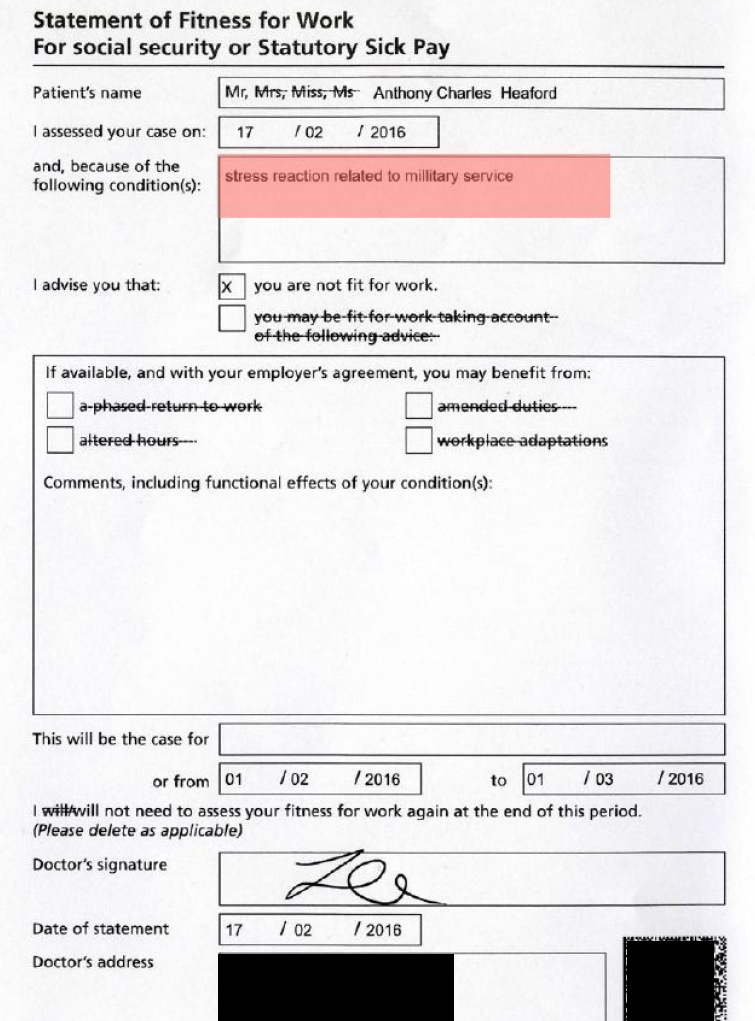
February 2016 Official Diagnosis: Stress Related to Military Service
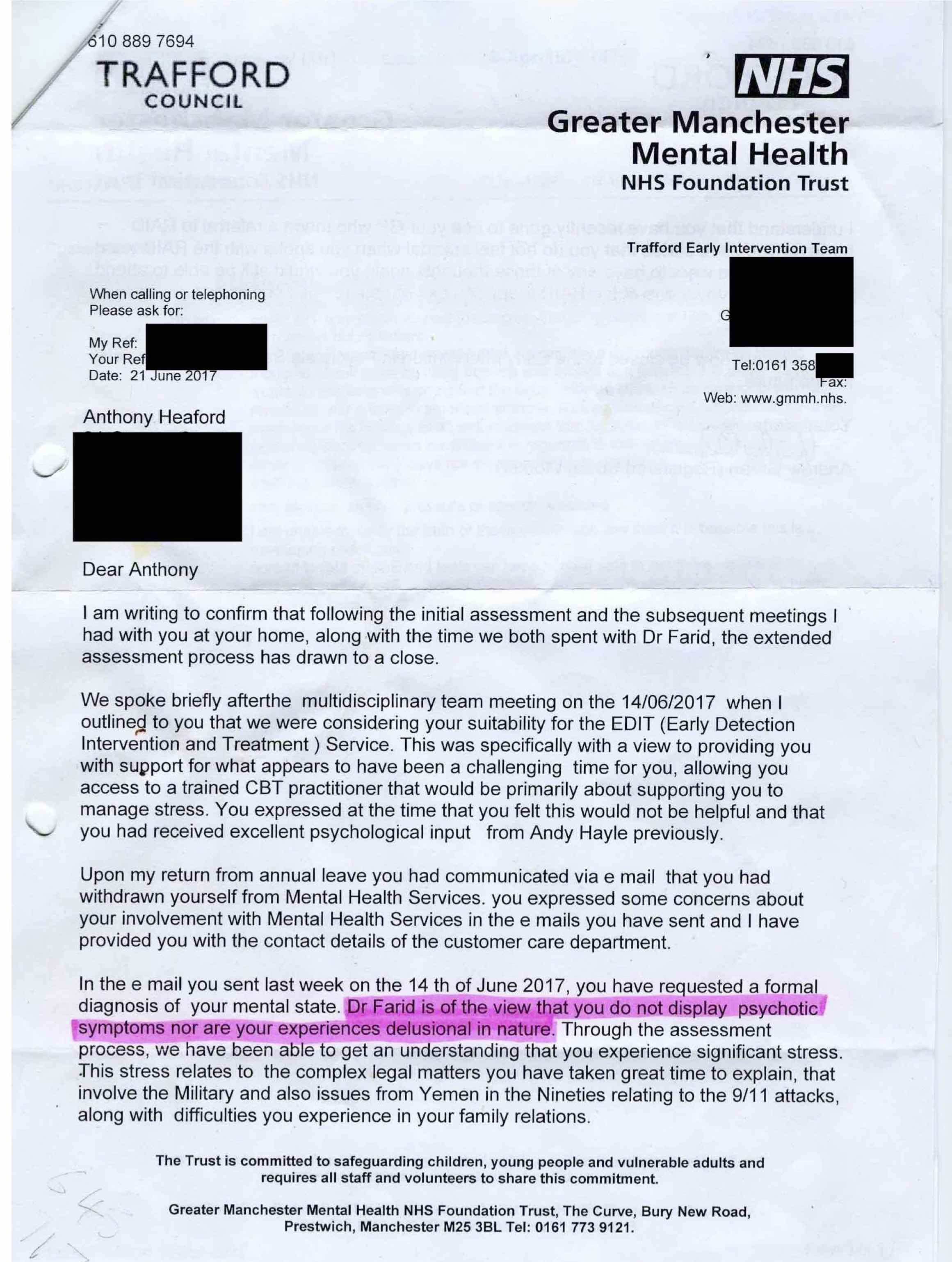
June 2017 Professional Diagnosis: Stress related to Afghan service, 1997 Yemen visit & family issues